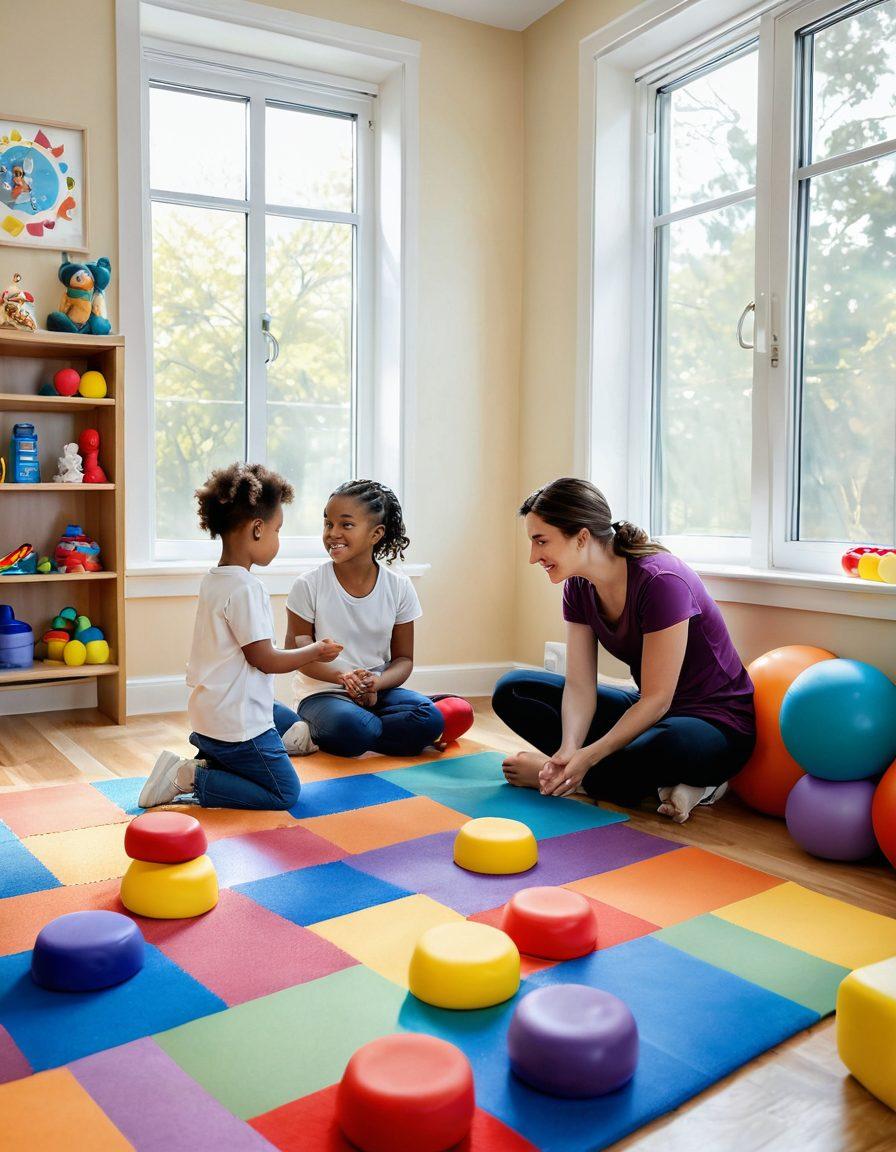
Nurturing Growth: Unveiling the Power of Bobath Therapy in Child Development and Compassionate Care
Have you ever witnessed the sheer joy of a child taking their first steps or mastering a new skill? These moments are often hard-earned victories, filled with love, encouragement, and the right therapeutic intervention. One such powerful approach is Bobath therapy, a method that not only aids in physical rehabilitation but also nurtures emotional growth. It is a compassionate way to unlock potential in children with developmental challenges, such as cerebral palsy, fostering an environment where they can thrive. In this blog, we will explore how Bobath therapy not only transforms child development but also imbues each session with affection and support, forming a vital part of pediatric rehabilitation.
Imagine a world where every child, regardless of their abilities, can develop their motor skills and functional movement in a way that feels natural and engaging. Bobath therapy does just that. This unique approach incorporates movement therapy and therapeutic exercises tailored to each child's individual needs, promoting holistic rehabilitation. It’s not merely about correcting physical limitations; it’s about enhancing child growth in an environment filled with compassion and understanding, creating a space where children feel safe to explore their capabilities. Why should we settle for anything less when it comes to our children's development?
At the heart of Bobath therapy lies an intricate balance between neuro-therapy and the nurturing partnership between the therapist and child. The Bobath technique emphasizes a relationship built on trust, where the therapist recognizes each child’s unique journey. One insightful quote that encapsulates this transformative power is, 'In the world of movement, every small step counts.' Through tailored interventions and playful engagement, children not only advance in physical abilities but also flourish emotionally, boosting their self-esteem and confidence—key components of holistic child development.
Have you ever considered how functional movement can be cultivated through an affectionate approach? It’s fascinating how the Bobath therapy emphasizes both physical rehabilitation and emotional support. Through a compassionate lens, children learn better through play and encouragement rather than pressure and frustration. Every smile, every laugh echoes the promise of potential. By channeling affection within the therapeutic process, we are setting the stage for children to embrace challenges head-on. So, how can we foster a nurturing environment that lifts these little warriors? Ensuring we are patient, understanding, and attuned to their needs is paramount.
Ultimately, the question isn’t just how Bobath therapy transforms child development but how we can all become advocates for compassionate care in the world of pediatric rehabilitation. This transformative therapy not only focuses on the physical hurdles; it transforms the way children interact with their environments, teachers, friends, and most importantly— themselves. As caregivers, parents, and educators, we hold the key to unlocking potential. Let us commit to embedding affection and romance into our rehabilitation practices, because every child deserves the opportunity to soar, to reach for the stars, and to experience the profound joy of each accomplishment.
Compassionate Care: The Role of Affection in Pediatric Rehabilitation
In the world of pediatric rehabilitation, where the spirit of growth and recovery can sometimes feel overshadowed by challenges, one element stands out as a beacon of hope: affection. It's an incredible truth that love and genuine care fuel resilience in children undergoing therapeutic interventions. So, how does affection weave its way into the fabric of Bobath therapy and contribute to child growth? As we examine the vital role of compassion in rehabilitation therapy, it becomes clear that tenderness can be just as powerful as any movement therapy technique.
Imagine a child with cerebral palsy, embarking on a journey of development with the Bobath technique at the helm. With every therapeutic exercise crafted to enhance motor skills development, the guiding hand of a caregiver, filled with affection, plays a crucial role in shaping the child's experience. As they engage in neuro-therapy and neuromuscular rehabilitation, the smiles, encouragement, and loving touch from a parent or therapist create an environment ripe for healing and growth. The question arises: can the bond of affection be the secret ingredient in effective pediatric rehabilitation? Absolutely.
Research shows that the emotional environment significantly impacts how children respond to physical rehabilitation. When affection is the cornerstone of therapeutic intervention, children not only feel safer but more motivated to engage in functional movement. This aligns perfectly with the principles of holistic rehabilitation emphasized in Bobath therapy, suggesting that affection isn't merely supplementary but central to successful outcomes. So, how can caregivers cultivate this nurturing atmosphere? It starts with understanding that every pause in therapy—a gentle hug, a kind word, or a playful moment—is a step towards developmental support.
The idea of using affection in rehabilitation might seem almost romantic in nature, yet it's grounded in practicality and proven effectiveness. Think of it as a dance: therapists and children moving in sync, where every kind remark and every warm touch fosters an environment of trust. This creates a sustainable connection that encourages children to tackle their challenges head-on. Have you ever felt how certain words can spark motivation? The same applies to our little ones. By merging the Bobath technique with a large dose of love and compassion, we truly enhance their journey toward recovery.
In conclusion, as we unveil the power of affection in pediatric rehabilitation, it’s clear that compassionate care acts as the glue that binds all elements together. The Bobath therapy offers a framework for movement therapy and rehabilitation therapy, but it is the relationships built in that space that truly hold transformative power. So, the next time you engage in therapeutic exercises or support a child on their growth journey, remember: your affection may be the most powerful tool you possess. After all, in the symphony of child development, kindness and compassion are the sweetest notes of all.
Movement Matters: Exploring the Benefits of Bobath Technique for Motor Skills
Every parent dreams of seeing their child run, jump, and explore the world without limitations. Movement is essential for child growth and development, but what if your child faces hurdles in achieving those physical milestones? Enter the Bobath therapy, a revolutionary approach in pediatric rehabilitation that not only aids children with conditions like cerebral palsy but also celebrates the simple joys of movement. Imagine a session filled with laughter and affection, where each moment is infused with romance for the possibilities that lie ahead—this is the essence of the Bobath technique in action.
The Bobath technique, often regarded as a beacon of hope for many families, harnesses the power of therapeutic exercises that align with the child’s individual needs. Have you ever watched a child take their first steps? That moment is pure magic! Through holistic rehabilitation strategies, Bobath therapy emphasizes functional movement, focusing on developing motor skills and promoting independence. It’s a gentle reminder that every child, despite the challenges, has the inherent right to move freely and joyfully. What if we told you that by enhancing movement, we could also boost their self-confidence?
Bobath therapy isn't just about physical rehabilitation; it’s a compassionate approach that acknowledges the emotional aspects of child development. With close interactions and supportive engagement, therapists become allies in the journey of each child. This touch of compassion creates a nurturing environment, allowing children to break down their limitations while embracing their unique capabilities. What stories of resilience and triumph could unfold when children feel truly supported in their quest for mobility?
Movement therapy through the Bobath technique is more than mere physical challenges; it’s also about forging connections. The bond between therapist and child significantly enhances the rehabilitation journey. Have you ever wondered how such relationships aid in the therapeutic intervention? They don’t just teach the child motor skills development—they empower them. The more trust a child has in their caregiver or therapist, the more they engage, explore, and ultimately thrive. The outcome? A beautiful symphony of growth, hope, and joy.
As we explore the profound benefits of Bobath therapy, let’s consider what this means for the future of every child embarking on this journey. In a world where disabilities can lead to isolation, movement therapy provides a pathway to inclusivity and social engagement. It’s about supporting developmental support systems that encourage exploration, play, and the cultivation of new friendships. If movement matters, then imagine the potential unleashed when we harness the power of therapeutic intervention combined with the magic of affection and romance for life itself. Isn’t it time we infused compassion into every step of the rehabilitation journey?